- Challenge
- Data Complexity Across a Diverse Footprint: Consolidating emissions data across estates, mills, renewable energy operations, and diverse supplier activities.
- Rising disclosure expectations: Meeting Bursa Malaysia’s NSRF (which incorporate IFRS S1 and IFRS S2) and the GRI standards with well-governed, audit-ready data.
- Shared ownership: Translating Group-level climate commitments into clear accountability across functional teams.
- Solution
- ASUENE Carbon Accounting Platform: A centralised system to manage Scope 1, 2, and selected Scope 3 emissions in alignment with the GHG Protocol.
- Data Governance & Consultancy: Leveraged ASUENE’s advisory expertise to transition from manual processes to a more structured, audit-ready data ecosystem.
- Capability Building: Dedicated training sessions were provided for JPG employees to embed carbon management into operations.
- Impact
- Improved Carbon Data Visibility: Strengthened monitoring of Scope 1, Scope 2 and selected Scope 3 emissions through a more structured GHG accounting process aligned with the GHG Protocol.
- Enhanced Reporting Readiness: Improved emissions data consolidation and transparency, and reporting readiness, supporting alignment with Bursa Malaysia’s sustainability reporting requirements, and GRI disclosures.
- Stronger Internal ESG Governance: Improved data consistency and cross-functional coordination, supporting informed decision-making and JPG’s Net Zero 2050 ambition.
For Johor Plantations Group Berhad (JPG), sustainability is integral to long-term commercial viability, not an afterthought. Operating at the direct intersection of natural capital and industrial processing, the Group is inherently exposed to shifting climate patterns, evolving regulatory mandates, and heightened stakeholder expectations. Guided by its purpose, Producing Sustainable Essentials for Mankind, and its two moonshots, Greenutrition and Greenergy, the Group has embedded sustainability across its value chain, spanning upstream plantations, midstream processing, downstream products and bioenergy. By transforming natural resources and production by-products into high-value essentials and bioenergy, the Group positions environmental, social and governance (ESG) performance as an indispensable driver of organisational resilience.
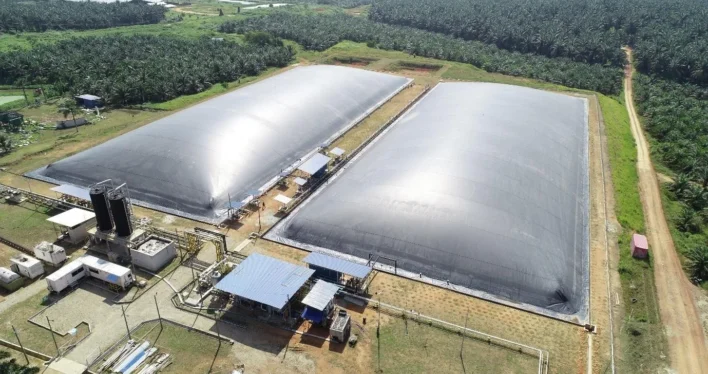
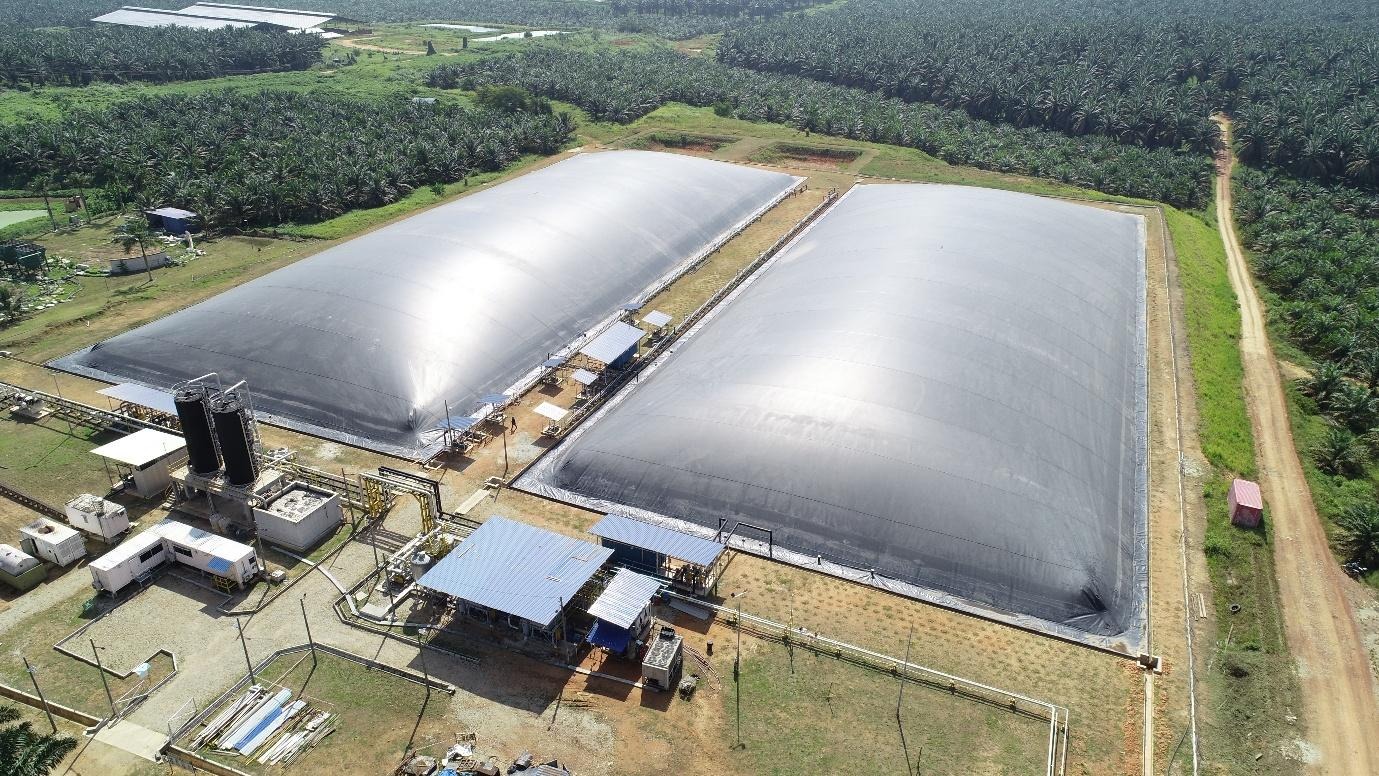
That sustainability commitment has already delivered results. JPG achieved a 53% reduction in carbon emissions intensity in 2025 compared with its 2012 baseline, exceeding its target of a 50% reduction by 2025. This came mainly from methane capture at palm oil mill effluent (POME) facilities, biomethane development and greater use of renewable energy. The Group has achieved 100% traceability of fresh fruit bunches (FFB) to the plantation and continues to expand its Smallholder Inclusion Programme, which currently supports 390 RSPO-certified independent smallholders. It ranked sixth globally among 100 palm oil producers in the 2025 SPOTT assessment, with a score of 95.1%, and is a constituent of the FTSE4Good Bursa Malaysia Index, with a 3-Star FTSE Russell ESG rating.
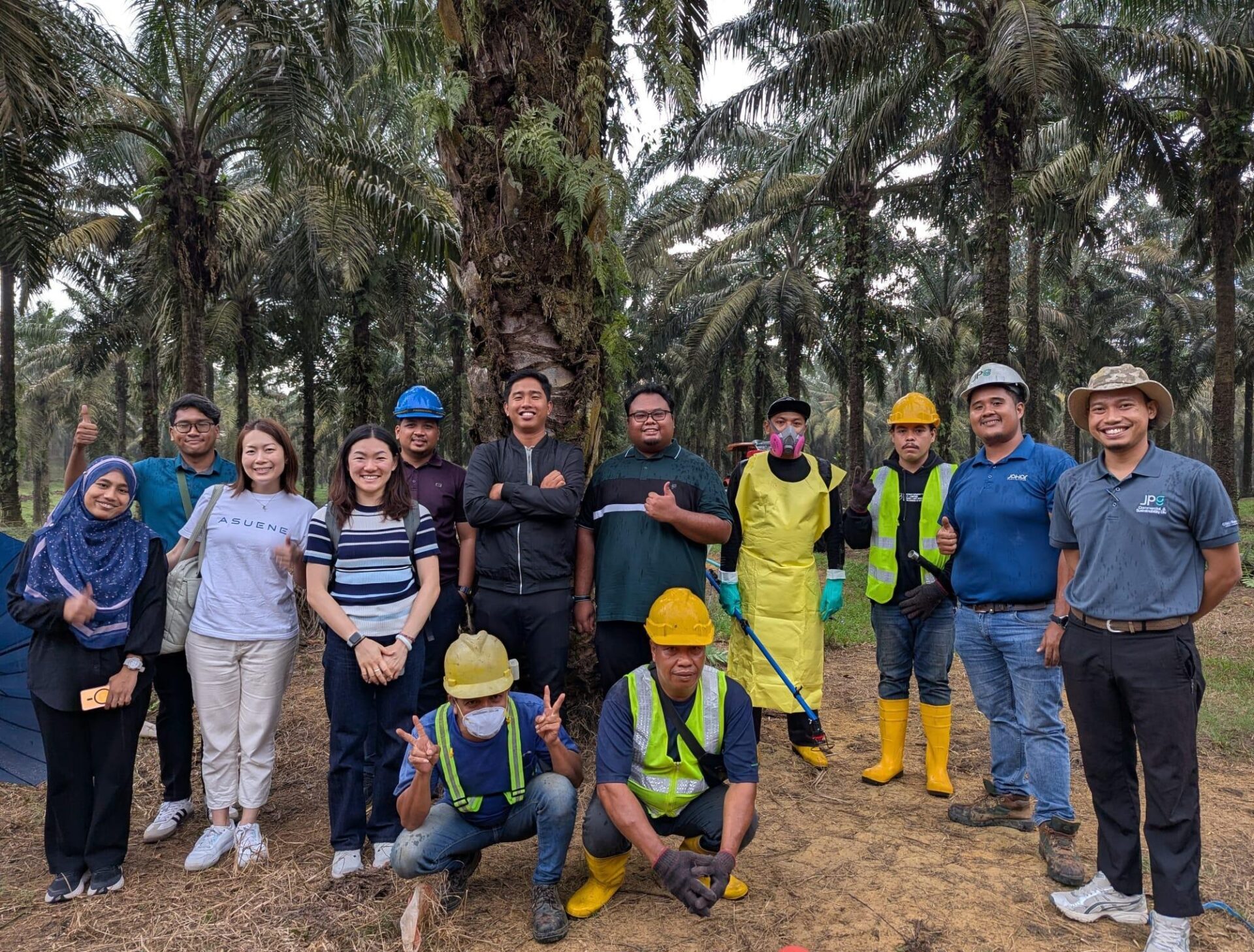
But ambition is only as credible as the data behind it. As disclosure expectations tighten, JPG partnered with ASUENE to strengthen how it measures, consolidates and reports its greenhouse gas (GHG) emissions.
The challenge
JPG’s operations span 21 estates, five palm oil mills and a network of third-party suppliers. Translating corporate environmental commitments into reliable, day-to-day data across its carbon footprint raised three practical challenges:
- Data Complexity Across a Diverse Footprint: Emissions data sat across estates, mills, bioenergy operations and independent suppliers, making consolidation slow and inconsistent.
- Rising disclosure expectations: Aligning sustainability data with Bursa Malaysia’s sustainability reporting requirements and the Global Reporting Initiative (GRI) Standards requires well-governed, audit-ready emissions data.
- Shared ownership: Climate targets set at the Group level require clear accountability and data readiness across multiple functional teams.
The solution
JPG implemented the ASUENE carbon accounting platform, supported by ASUENE’s advisory services to replace manual processes with a structured GHG accounting system aligned with the GHG Protocol. The platform now covers Scope 1, Scope 2, and selected Scope 3 emissions, in alignment with the GHG Protocol.
Training sessions for JPG employees accompanied the rollout. The teams generating the data now understand how it is used and are accountable for its quality. The outcome is a practical, decision-oriented data system rather than a once-a-year reporting exercise.
The results
Through the implementation of the ASUENE Carbon Accounting Platform, JPG has enhanced its ability to:
- monitor Scope 1, Scope 2 and selected Scope 3 emissions through a structured GHG accounting process;
- consolidate emissions data across multiple business units;
- strengthen reporting readiness and support alignment with Bursa Malaysia’s sustainability reporting requirements and GRI Standards;
- improve cross-functional collaboration and accountability for sustainability reporting; and
- support informed decision-making as the Group progresses towards its Net Zero 2050 aspiration
Looking ahead
Reliable carbon data is becoming increasingly important, not only for sustainability reporting but also for commercial competitiveness. Global food and nutrition customers are increasingly seeking product-level emissions data from suppliers to support their own Scope 3 emissions reduction targets.
This is particularly relevant to JPG’s next phase of growth, especially through its flagship project, the Integrated Sustainable Palm Oil Complex (iSPOC), located in Sedili, Kota Tinggi. By integrating downstream processing, circular resource utilisation and renewable energy, iSPOC aims to produce higher-value specialty products for global markets. A robust carbon data foundation will strengthen JPG’s ability to provide credible and transparent emissions information to meet evolving customer expectations.
As JPG advances towards its Net Zero 2050 ambition, its partnership with ASUENE represents an important step in strengthening carbon emissions measurement and management, ensuring that the Group’s sustainability commitments are supported by reliable, data-driven insights.