- Article Summary
-
Introduction
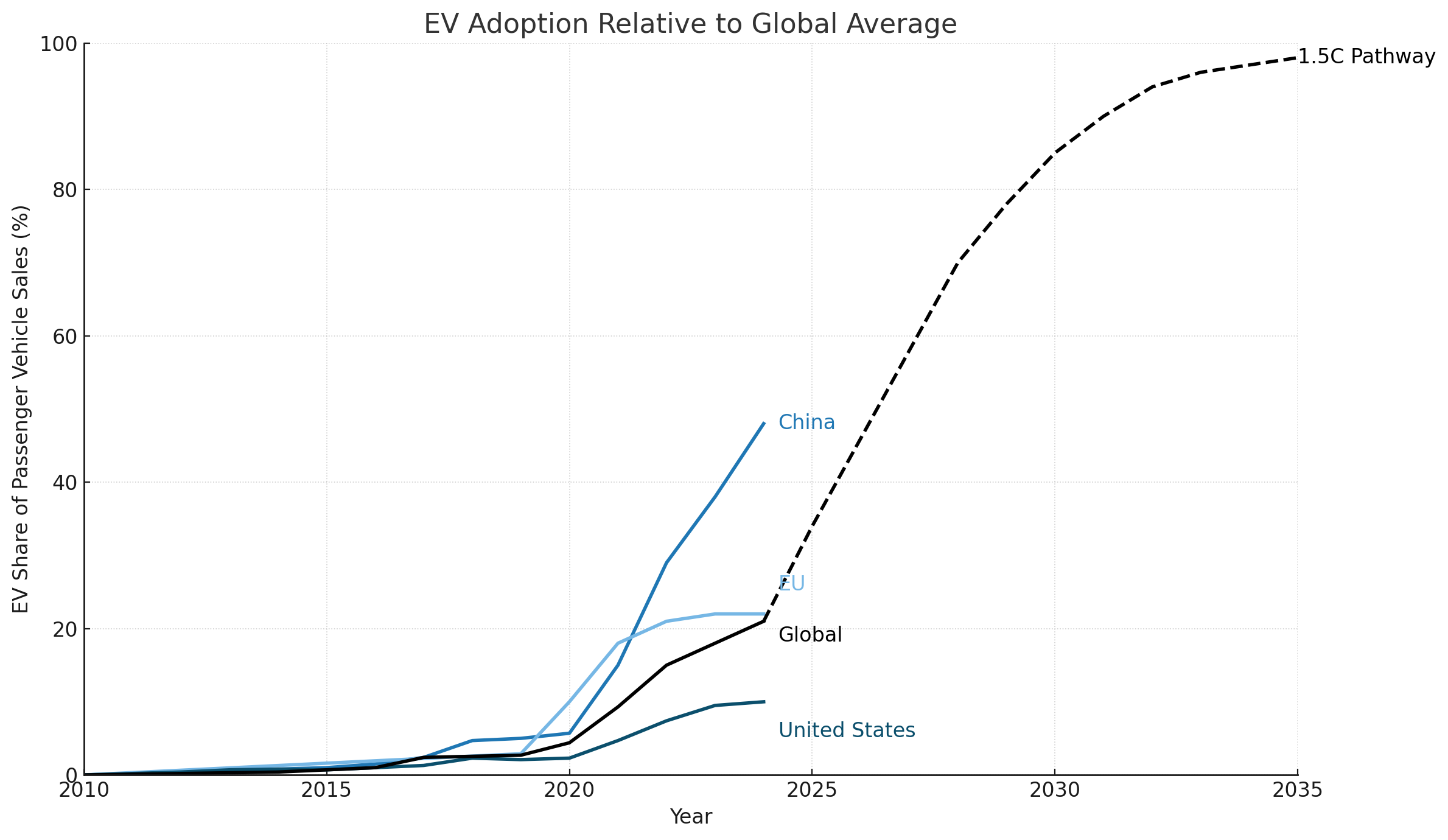
Electric vehicle adoption is accelerating across global markets, and a recent analysis from the World Resources Institute highlights which countries are moving the fastest. Norway, Iceland, Sweden, the Netherlands and China have already reached high levels of EV penetration supported by strong policy frameworks, robust charging infrastructure and maturing EV supply chains. These markets demonstrate how quickly national transitions can occur and offer a preview of what future expectations may look like as more governments pursue transport decarbonization.
This blog examines the global landscape of EV adoption, why rapid transition matters for companies and how it influences carbon accounting and reporting requirements. As more organizations electrify their fleets, EV adoption becomes both a decarbonization opportunity and a data challenge.
Why Fast Adoption Matters for Companies
Rapid EV adoption does not only affect automakers. It shapes expectations for companies with vehicle fleets, logistics operations and supply chain dependencies. Investors, regulators and large buyers increasingly expect fleet transition roadmaps that match the pace of leading countries.
Growing adoption also signals a shift in policy direction. Nations with high EV penetration often introduce stricter emissions standards, fossil fuel phaseout targets and mandatory disclosure requirements. Companies operating globally will need to adapt their reporting systems and decarbonization plans accordingly.
How EV Growth Affects Carbon Accounting and Reporting Requirements
As companies transition from internal combustion vehicles to electric vehicles, the structure of their emissions reporting changes. EVs eliminate Scope 1 tailpipe emissions, but they increase reliance on electricity, shifting emissions into Scope 2. This shift introduces new considerations for inventory management, data granularity and renewable energy procurement strategies.
Updating GHG Inventories When Fleets Electrify
A transition to EVs reduces emissions from mobile combustion while increasing electricity consumption. To maintain accurate GHG inventories, companies must:
- Reclassify emissions from Scope 1 to Scope 2.
- Capture vehicle level electricity use and charging patterns.
- Ensure data systems track energy consumption at a detailed level.
This shift requires updated methodologies and closer coordination between sustainability teams, fleet managers and energy procurement functions.
Managing Location Based and Market Based Electricity Emissions
Electricity consumption becomes a central factor in the carbon footprint of an EV fleet. Companies must calculate emissions using both location based grid factors and market based instruments such as renewable energy contracts. This dual reporting approach affects disclosures under frameworks like the GHG Protocol, CSRD and CDP.
Organizations that procure renewable electricity can significantly reduce the market based footprint of their EV operations. This makes renewable procurement a critical complement to fleet electrification.
Preparing for Mandatory Disclosure Regimes
Regulations such as the EU CSRD and the upcoming SEC climate disclosure rule require detailed Scope 1 and Scope 2 reporting. EV adoption increases the importance of:
- High quality electricity data.
- Transparent methodologies for emission factor selection.
- Consistent documentation of renewable energy purchases.
Companies will also need to monitor how EV adoption affects Scope 3 categories, especially downstream transportation and distribution.
ASUENE Perspective
EV adoption simplifies parts of emissions reporting by reducing direct fuel combustion. At the same time, it increases the importance of electricity data, renewable procurement and integrated reporting processes. Companies that build strong energy and emissions data systems early will be better prepared for upcoming disclosure requirements.

Lessons from Leading EV Countries
Global leaders in EV adoption offer insights into what drives successful transitions. Common factors include long term policy stability, public charging access, supportive financial incentives and coordination between government and industry. These conditions often translate into more ambitious expectations for corporate fleet transition and emissions transparency.
For businesses, these markets signal where global policy trends may head next. Companies that align with leading regions position themselves more competitively and demonstrate stronger readiness for investor scrutiny.
What Companies Should Do Now
To keep pace with global EV adoption and future proof their reporting, companies should consider the following steps:
- Assess current fleet emissions and evaluate transition scenarios.
- Strengthen electricity data systems to support accurate Scope 2 reporting.
- Integrate renewable energy procurement plans with fleet electrification.
- Prepare for CSRD, SEC and GHG Protocol reporting expectations.
- Use insights from leading EV countries to benchmark transition timelines.
Conclusion
Countries adopting EVs the fastest are already redefining expectations for transport decarbonization. As EV growth accelerates, companies must adapt their emissions accounting practices and prepare for more detailed disclosure requirements. Organizations that understand the implications of this shift will be better equipped to advance their climate strategies and respond to a rapidly changing regulatory landscape.
Why Work with ASUENE Inc.?

ASUENE is a key player in carbon accounting, offering a comprehensive platform that measures, reduces, and reports emissions. The company serves over 10,000 clients worldwide with an all-in-one solution that integrates GHG accounting, ESG supply chain management, a Carbon Credit exchange platform, and third-party verification.
ASUENE supports companies in achieving net-zero goals through advanced technology, consulting services, and an extensive network.